
Drink recipe · About 1 gallon
The Art of Homemade Wine: From Simple Grape Juice to Complex Fermentation
Discover the art and science of homemade wine with this complete beginner-to-advanced guide designed for curious home winemakers. Learn the rich history of winemaking, from ancient civilizations to modern home fermentation, and understand why crafting wine at home is both rewarding and deeply personal. This guide walks you through every stage of the process, starting with simple grape juice and yeast recipes and progressing to more advanced techniques using fresh grapes, controlled fermentation, and aging methods. You’ll explore essential winemaking ingredients, fermentation fundamentals, sanitation best practices, and common mistakes that can ruin flavor or safety. Clear explanations help demystify yeast behavior, sugar conversion, temperature control, and aging timelines so you can create better-tasting wine with confidence. The guide also highlights legal and safety considerations every home winemaker should understand before starting, helping you avoid costly or dangerous missteps. Whether you’re making your first batch or refining your process, this introduction to homemade wine gives you the knowledge to experiment with flavors, personalize your wine, and share memorable bottles with friends and family. Perfect for beginners and passionate hobbyists alike, this page is your starting point for turning simple ingredients into handcrafted wine worth celebrating.
By TheKnird · December 16, 2025
Discover the art and science of homemade wine with this complete beginner-to-advanced guide designed for curious home winemakers. Learn the rich history of winemaking, from ancient civilizations to modern home fermentation, and understand why crafting wine at home is both rewarding and deeply personal. This guide walks you through every stage of the process, starting with simple grape juice and yeast recipes and progressing to more advanced techniques using fresh grapes, controlled fermentation, and aging methods. You’ll explore essential winemaking ingredients, fermentation fundamentals, sanitation best practices, and common mistakes that can ruin flavor or safety. Clear explanations help demystify yeast behavior, sugar conversion, temperature control, and aging timelines so you can create better-tasting wine with confidence. The guide also highlights legal and safety considerations every home winemaker should understand before starting, helping you avoid costly or dangerous missteps. Whether you’re making your first batch or refining your process, this introduction to homemade wine gives you the knowledge to experiment with flavors, personalize your wine, and share memorable bottles with friends and family. Perfect for beginners and passionate hobbyists alike, this page is your starting point for turning simple ingredients into handcrafted wine worth celebrating. DRINK RECIPESHISTORY OF FOOD AND WINE
Introduction to Homemade Wine Homemade wine offers a unique blend of creativity and tradition, allowing enthusiasts to create personalized beverages that reflect individual tastes and preferences. The practice of winemaking dates back thousands of years, with its roots embedded in various cultures across the globe. From ancient Egyptian methods to modern artisanal approaches, people have long valued the ability to transform simple ingredients into delightful drinks. This historical backdrop enriches the experience of crafting wine at home, making it an exciting endeavor for many. The allure of creating homemade wine lies in the satisfaction derived from the entire process—from selecting the grapes or juice to witnessed fermentation and ultimately, enjoying the finished product. It presents an opportunity not just to experiment with flavors, but also to share unique creations with friends and family. However, this rewarding journey is not without its challenges. The complexities involved in fermentation, the importance of maintaining proper sanitary conditions, and the need for patience while waiting for the wine to mature are aspects that new winemakers must navigate. Additionally, it is crucial to be aware of local laws and regulations surrounding home fermentation. Different regions may have specific guidelines regarding the quantity of homemade alcohol that can be produced for personal use, or whether any permits are required. It is advisable to research these legal considerations before embarking on the winemaking journey to ensure compliance and avoid potential issues. This blog post aims to guide readers through the different facets of homemade winemaking, from a simple grape juice recipe to a more intricate fermentation process. Whether you are a novice or a seasoned enthusiast, the insights shared here will enhance your winemaking experience, making it enjoyable and fruitful. Safety and Legal Considerations When engaging in the art of homemade wine, it is crucial to familiarize oneself with the relevant laws and regulations governing the production of alcoholic beverages in your locality. In many areas, the legality of home brewing and winemaking is subject to stringent guidelines, and violations can lead to serious legal repercussions. In several jurisdictions, homemade wine is entirely illegal, while others may permit limited production, often contingent upon obtaining specific permits or licenses. It is advisable to consult local authorities or legal resources to fully understand the requirements before embarking on this endeavor. Beyond the legality of winemaking, safety is another significant concern worthy of thorough consideration. The process of fermentation involves various stages where yeast converts sugars in the grape juice to alcohol and carbon dioxide. If not managed properly, this process can produce unsafe conditions. For instance, inadequate fermentation temperature can lead to the growth of harmful bacteria or the production of methanol, which is toxic. Therefore, it is essential to follow precise fermentation protocols and maintain a clean environment throughout the winemaking process. Furthermore, using food-grade materials and equipment is imperative in homemade wine production. Contaminated tools, containers, or fermentation vessels can introduce unwanted substances into the wine, compromising both safety and flavor. It is advisable to utilize designated winemaking supplies and ensure that all components are free from chemicals that may leach into the wine. Proper sanitation, along with adherence to safety guidelines, not only protects the quality of the homemade wine but also ensures that the final product is safe for consumption. By being informed about legal requirements and prioritizing safety measures, enthusiasts can enjoy the rewarding experience of crafting homemade wine without the associated risks. Ingredients Needed for Homemade Wine Creating homemade wine is an art that begins with selecting the right ingredients. The primary component necessary for this fermentation process is grape juice, which serves as the foundation for the wine. It is essential to choose high-quality grape juice, preferably from ripe and healthy grapes, as this will significantly influence both the flavor and aroma of the final product. If fresh grapes are not available, store-bought grape juice can be used, but it is advisable to select juice with no added preservatives to ensure a more authentic wine-making experience. Yeast is another crucial ingredient necessary for the fermentation process. It is responsible for converting the sugars present in the grape juice into alcohol and carbon dioxide. Different strains of yeast produce various flavor profiles, therefore, selecting the appropriate yeast strain can elevate the quality of the wine. Wine yeast varieties like Saccharomyces cerevisiae are commonly recommended for their efficiency and flavor optimization during fermentation. In addition to grape juice and yeast, alternative ingredients may be considered depending on the desired taste. Sugar is often added to enhance sweetness and boost alcohol content. However, it is vital to measure it carefully, as excessive sugar can lead to fermentation issues. Water can also be incorporated to adjust the concentration of the juice if it is too strong; however, this should be done sparingly. For those seeking unique flavor profiles, optional ingredients such as spices, herbs, and additional fruits can be introduced to personalize the wine further. When sourcing these ingredients, focus on quality to ensure optimal results. Fresh, organic grapes, high-quality yeast, and pure additives will lead to a more delightful homemade wine, enhancing both the enjoyment of the process and the final product. Simple Winemaking Recipe: Using Grape Juice and Yeast One of the most accessible methods of creating homemade wine is to start with store-bought grape juice and yeast. This simple winemaking recipe allows beginners to gain experience in fermentation without the complexity of pressing grapes. The process is manageable and provides an enjoyable introduction to the art of winemaking. Begin by selecting a high-quality, 100% grape juice, making sure that it does not contain preservatives, as these can hinder fermentation. Start with a gallon of grape juice, pouring it into a clean large fermentation vessel, such as a glass carboy or a food-grade plastic container. Adding sugar can increase the potential alcohol content; a typical range is between 1 to 2 cups, depending on the sweetness of the juice and desired wine style. Next, it's time to introduce your yeast. A good choice for beginners is a dry wine yeast, which can be easily activated by dissolving it in a small amount of water and letting it sit for five to ten minutes. Once activated, stir the yeast into the grape juice mixture, ensuring that it is well-distributed. Cover the fermentation vessel with a clean cloth or an airlock; this allows gases to escape while preventing contaminants from entering. Place the vessel in a location with a stable temperature, ideally between 70°F and 75°F (21°C to 24°C). Over the next week or two, monitor the fermentation process by observing bubbling and foaming in the liquid. This activity indicates that fermentation is occurring. Taste the wine periodically to understand its development. Once bubbling significantly slows down, this indicates that fermentation is nearing completion. At this point, siphon the wine into another clean, sanitized container, leaving sediment behind. Seal it tightly and allow it to age for at least a few weeks before bottling. When ready, transfer the wine into bottles, cork them, and label them for future enjoyment. By following these steps carefully, beginners can successfully create their own homemade wine using grape juice and yeast, paving the way for more complex winemaking adventures in the future. Advanced Winemaking Techniques As one progresses in their winemaking journey, various advanced techniques become available, enabling a deeper exploration of the complexities involved in the process. Transitioning from the basic methods of winemaking, such as using concentrated grape juice, to utilizing fresh grapes is a significant step that enhances the richness and authenticity of the final product. Fresh grapes allow winemakers to develop more intricate flavors and aromas, as they have the natural sugars and acids that contribute profoundly to the profile of the wine. To begin with, the proper crushing of grapes is essential. This process can be executed manually or with specialized equipment, like a grape crusher or a traditional wine press. The objective is to break the skins of the grapes to release the juice while preserving the integrity of the seeds and stems to avoid excessive bitterness. Once the juice is extracted, different strains of yeast can be introduced. Utilizing various yeast types not only influences the fermentation rate but can also significantly affect the flavor profile and overall character of the wine. Moreover, it is crucial to monitor and potentially adjust acidity levels during fermentation. Achieving a balanced pH can enhance the flavor and stability of the wine. Additionally, the incorporation of sulfites is a common practice among advanced winemakers. This natural preservative helps to prevent oxidation and microbial spoilage, thereby prolonging the life span of the wine and maintaining its intended flavors. Aging is also a pivotal technique that distinguishes advanced winemaking from basic methods. Different aging vessels, such as oak barrels or stainless steel tanks, can impart unique characteristics to the wine, further developing its taste over time. By mastering these advanced winemaking techniques, enthusiasts can create sophisticated wines that reflect their personal style and expertise while also appealing to the discerning palate. Common Mistakes to Avoid Embarking on the journey of homemade wine can be both rewarding and challenging. However, novice winemakers often encounter common pitfalls that can hinder their efforts. One of the foremost mistakes is improper sanitation. Wine making is a process that is highly susceptible to contamination, which can lead to undesirable flavors and spoilage. To ensure a successful fermentation, it is imperative to meticulously sanitize all utensils, containers, and surfaces that come into contact with the wine. Utilizing a solution of sanitizing agents specifically designed for winemaking can effectively eliminate harmful microorganisms. Another frequent misstep is miscalculating fermentation times. New winemakers might be tempted to rush the process, leading to under or over-fermentation. Each batch of wine requires careful observation to determine when fermentation has reached its optimal point. This often involves monitoring specific gravity, a measurement that indicates the sugar content in the must. By consulting fermentation charts or guides, winemakers can gain valuable insight into the expected duration of fermentation based on temperature and the yeast strain used. Additionally, using inappropriate containers can prove detrimental to the quality of homemade wine. While it may be tempting to utilize non-food-grade vessels, such actions can introduce harmful chemicals or off-flavors into the wine. Selecting the right glass carboys or food-safe plastic containers is crucial for maintaining the integrity of the wine during fermentation. Regularly sampling the wine throughout the fermentation process can also help in identifying potential issues early on, allowing for necessary adjustments to enhance the final product. By addressing these common mistakes—sanitation, fermentation timing, and proper containers—novice winemakers can significantly improve their homemade wine quality, ensuring a more enjoyable and satisfactory outcome. Conclusion and Recommendations The process of crafting homemade wine from simple grape juice into a nuanced and complex fermentation experience is both an art and a science. Throughout this journey, we have explored various aspects of winemaking, from selecting the right ingredients and understanding fermentation fundamentals to the importance of sanitation and patience. As you embark on your own winemaking adventure, it is essential to embrace the learning curve that accompanies this creative endeavor. Experimentation can not only lead to unique flavors but also enhances your skill set as a winemaker. While the excitement of creating your own wine is palpable, it is vital to remain aware of safety and legal considerations. Understanding local regulations regarding alcohol production is crucial to ensure compliance and sidestep any potential legal issues. Additionally, practicing good hygiene and proper fermentation techniques will safeguard the quality of your homemade wine, ensuring a delightful tasting experience. For those eager to deepen their winemaking knowledge, a wealth of resources exists. Numerous books dedicated to home winemaking can provide invaluable insights, from detailed recipes to advanced fermentation techniques. Online platforms and websites also offer forums and tutorials, where enthusiasts share their personal experiences and tips. Furthermore, consider enrolling in local winemaking classes, where you can gain hands-on experience and connect with like-minded individuals who share your passion for creating wine. As you embark on your own winemaking journey, we encourage you to share your experiences in the comments section below. Whether you have questions or wish to recount your successes and challenges, engaging with fellow wine enthusiasts can foster a supportive community. Your stories not only enrich your learning but also inspire others to explore the art of homemade wine. Cheers to newfound adventures in winemaking!
- Spirit
- wine
- Alcohol
- alcoholic
Recipe
Yield: About 1 gallon
Ingredients
- 1 gallon 100% grape juice (no preservatives)
- 1 to 2 cups sugar (optional, depending on the sweetness of the juice and desired wine style)
- 1 packet dry wine yeast (such as Saccharomyces cerevisiae), activated in a small amount of water
- Water as needed to activate the yeast
Instructions
- 01Select a high-quality, 100% grape juice with no preservatives. Pour 1 gallon into a clean large fermentation vessel, such as a glass carboy or a food-grade plastic container.
- 02Optionally add 1 to 2 cups of sugar, depending on the sweetness of the juice and the wine style you want.
- 03Activate dry wine yeast by dissolving it in a small amount of water and letting it sit for five to ten minutes. Stir the activated yeast into the grape juice until well distributed.
- 04Cover the fermentation vessel with a clean cloth or an airlock so gases can escape while contaminants stay out. Place it somewhere with a stable temperature, ideally between 70°F and 75°F (21°C to 24°C).
- 05Over the next week or two, monitor fermentation by observing bubbling and foaming. Taste periodically to understand how the wine is developing.
- 06When bubbling significantly slows, siphon the wine into another clean, sanitized container, leaving sediment behind. Seal it tightly and age for at least a few weeks before bottling.
- 07Transfer the wine into bottles, cork them, and label them for later.
Make-ahead
- Age at least a few weeks before bottling. The original guide also covers fresh-grape techniques after this beginner batch.
Notes
- This structured recipe is the simple grape-juice method from the original page. Prep, cook, and nutrition times were not published on the live site and are not invented here. Follow local laws for homemade wine and keep all equipment sanitized.
Related recipes
Drink Recipes
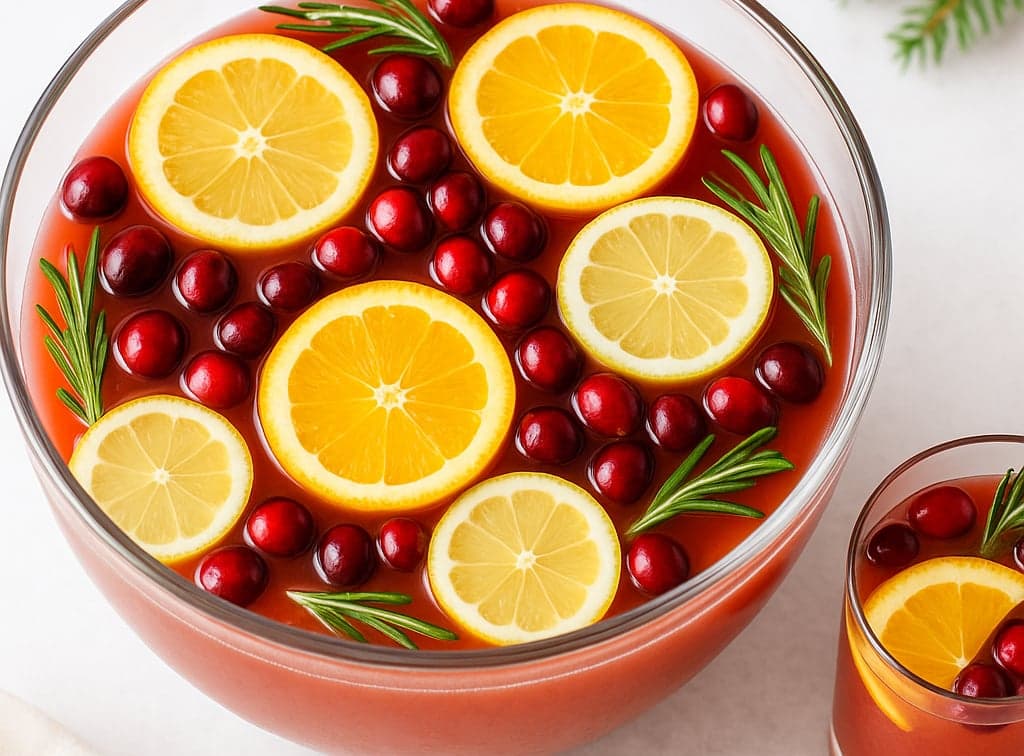
Winter Cranberry Citrus Punch
This bright and refreshing Winter Cranberry Citrus Punch breaks away from traditional eggnogs and mulled wines with a lively balance of tart cranberry, fresh citrus, and spiced warmth. It’s perfect for holiday parties, family gatherings, or any festive get-together where you want something that looks stunning, tastes vibrant, and can easily be made with or without alcohol.
Drink Recipes
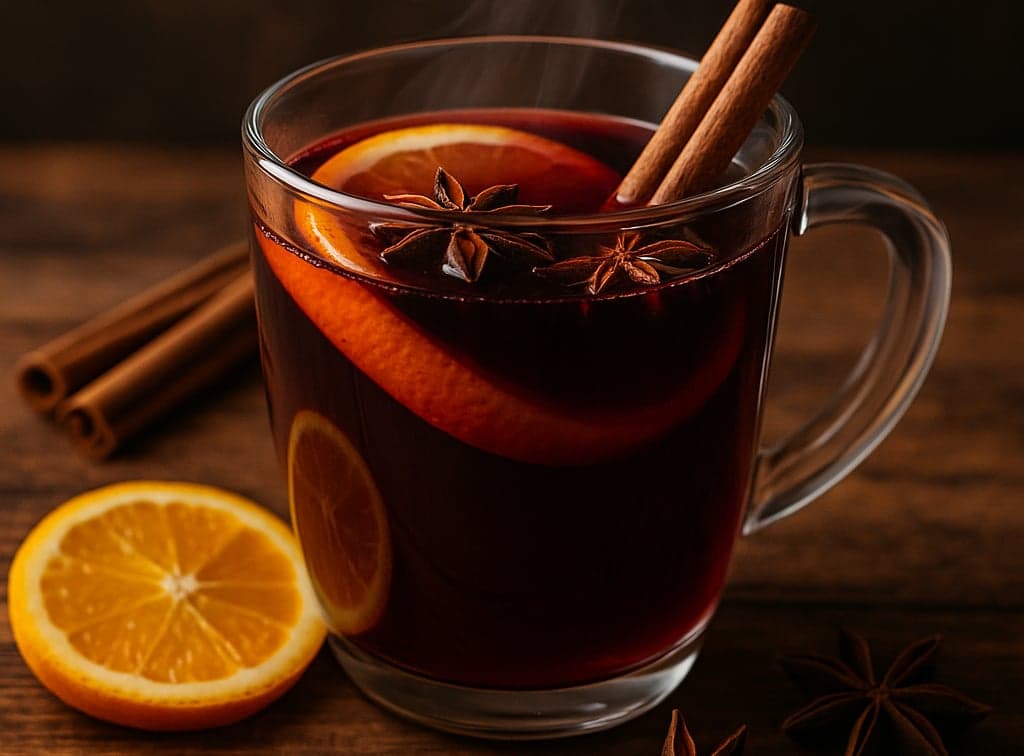
Classic Mulled Wine (Warm Spiced Holiday Drink)
This classic mulled wine recipe honors centuries of winter tradition — a rich, spiced blend of red wine, orange, and cinnamon gently simmered for the perfect holiday drink. Based on ancient Roman origins, this cozy cocktail is warm, aromatic, and easy to make for festive gatherings.
Drink Recipes
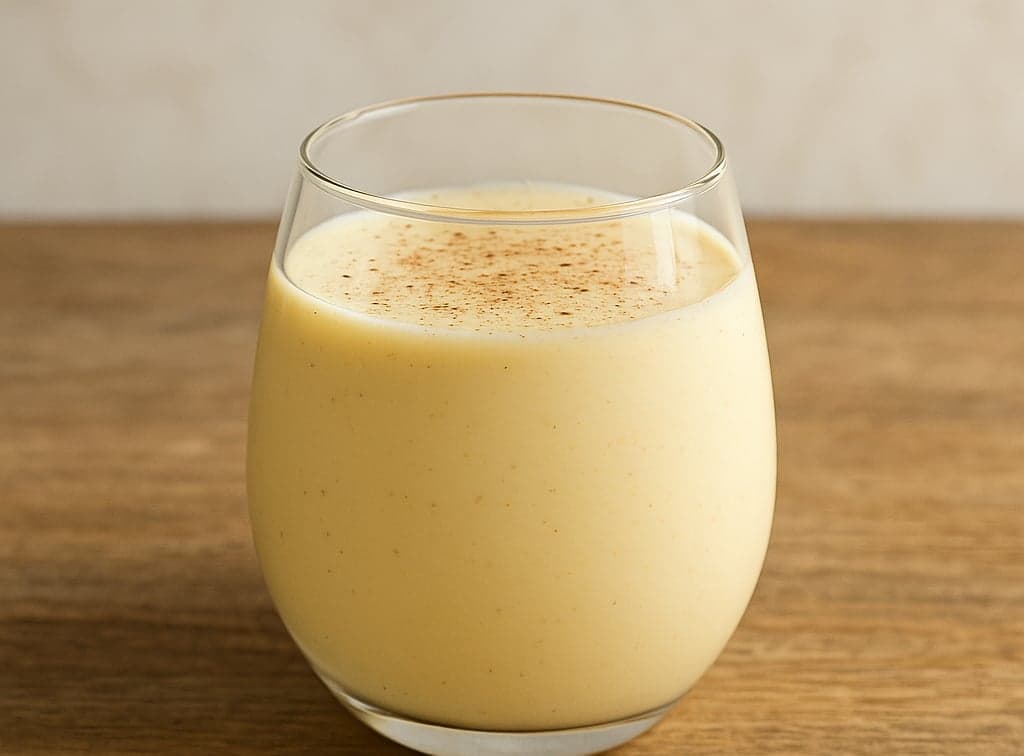
Classic Homemade Eggnog
Beloved for generations, eggnog’s roots trace back to 18th-century England, where it began as a rich milk punch enjoyed by the upper class during winter feasts. When it made its way to colonial America, it quickly became a holiday favorite — with local rum or whiskey adding warmth to every celebration. This homemade version stays true to that timeless tradition, blending fresh eggs, cream, vanilla, and nutmeg into a smooth, custardy drink that’s festive, cozy, and full of old-world charm. Serve it chilled or gently warmed, with or without a splash of bourbon, for the perfect taste of Christmas past and present.
Drink Recipes
Tom & Jerry (Warm Holiday Cocktail)
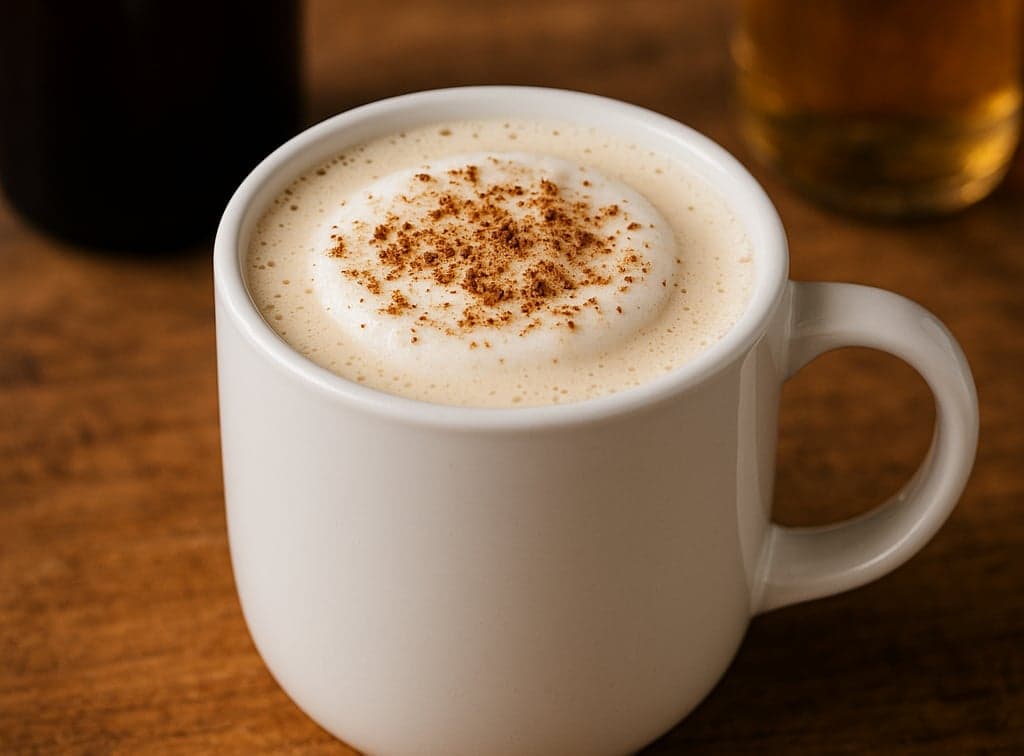
The Tom and Jerry is a timeless holiday cocktail — a warm, frothy blend of spiced batter, rum, and brandy served in hot milk for the ultimate winter comfort. This old-fashioned Christmas favorite is rich, creamy, and easy to make, perfect for festive gatherings or cozy nights in. With a make-ahead batter that stays stable for days, this creamy hot drink delivers nostalgic flavor and holiday cheer in every sip.
Questions about this recipe? Use the contact form. Follow along on Instagram.