
Kitchen Basics
The Ultimate Guide to Salt Usage: Mastering the Art of Flavoring Your Dishes
Salt in Cooking: Types, Uses, Timing, and How to Season Properly Salt is one of the most essential ingredients in cooking, playing a critical role in flavor enhancement, texture, moisture control, and food preservation. More than just sodium chloride, salt amplifies sweetness, reduces bitterness, enhances umami, and helps balance acidity in both savory and sweet dishes. Proper salting can transform bland food into vibrant, restaurant-quality meals. Different types of salt—such as table salt, kosher salt, sea salt, and Himalayan pink salt—vary in grain size, density, and application. Kosher salt is preferred by many cooks for even seasoning, while flaky sea salt is ideal for finishing dishes. Understanding these differences prevents over- or under-salting and improves consistency in recipes. Salt also plays a key role in cooking science. It improves browning through the Maillard reaction, strengthens gluten in baking, enhances fermentation, and draws moisture through osmosis in brining and curing. Knowing when to add salt—during boiling, marinating, cooking, or finishing—directly impacts flavor penetration and final taste. Accurate salt measurement matters, especially when switching between salt types. Season gradually, taste often, and balance salt with herbs, spices, acidity, and sweetness for complete flavor development. Avoid common mistakes like oversalting early or failing to season cooking water. Mastering salt usage is a foundational cooking skill that elevates every dish and unlocks deeper flavor control in the kitchen.
By TheKnird · December 23, 2025 · 8 min read
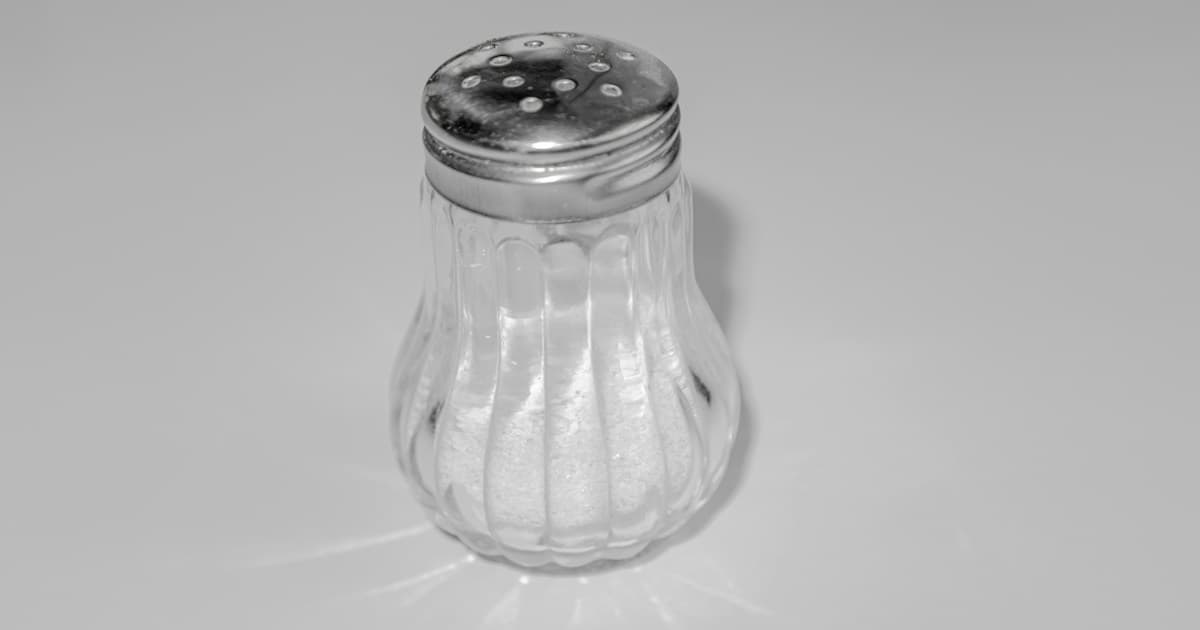
Salt in Cooking: Types, Uses, Timing, and How to Season Properly Salt is one of the most essential ingredients in cooking, playing a critical role in flavor enhancement, texture, moisture control, and food preservation. More than just sodium chloride, salt amplifies sweetness, reduces bitterness, enhances umami, and helps balance acidity in both savory and sweet dishes. Proper salting can transform bland food into vibrant, restaurant-quality meals. Different types of salt—such as table salt, kosher salt, sea salt, and Himalayan pink salt—vary in grain size, density, and application. Kosher salt is preferred by many cooks for even seasoning, while flaky sea salt is ideal for finishing dishes. Understanding these differences prevents over- or under-salting and improves consistency in recipes. Salt also plays a key role in cooking science. It improves browning through the Maillard reaction, strengthens gluten in baking, enhances fermentation, and draws moisture through osmosis in brining and curing. Knowing when to add salt—during boiling, marinating, cooking, or finishing—directly impacts flavor penetration and final taste. Accurate salt measurement matters, especially when switching between salt types. Season gradually, taste often, and balance salt with herbs, spices, acidity, and sweetness for complete flavor development. Avoid common mistakes like oversalting early or failing to season cooking water. Mastering salt usage is a foundational cooking skill that elevates every dish and unlocks deeper flavor control in the kitchen.
Introduction to Salt: The Essential Ingredient in Cooking Salt, a naturally occurring mineral composed primarily of sodium chloride, serves as one of the most essential ingredients in culinary practices worldwide. Historically, it has been revered not only for its ability to enhance flavor but also for its role in food preservation and safety. The presence of salt can transform an otherwise bland dish into a vibrant culinary experience, amplifying the inherent flavors of the ingredients involved. In cooking, salt acts as a flavor enhancer, contributing to the brightness and depth of flavors in various food preparations. By adding salt, the taste receptors on our tongues are stimulated, allowing us to perceive other flavors more distinctly. This includes not only savory elements but also sweet, bitter, and umami flavors, which come alive in the presence of salt. This multifaceted contribution to taste makes it an irreplaceable component of cooking. Beyond its flavor-enhancing abilities, salt also affects the texture and moisture content of food. In processes such as curing meats and brining vegetables, salt draws out moisture, resulting in a firmer texture and preserving the item for longer periods. It has profound implications in baking as well, where it influences gluten development and fermentation, leading to a desirable crumb structure in bread and pastries. Moreover, understanding the role of salt extends to its various types and forms, each offering unique characteristics and uses in cooking. From coarse sea salt to fine table salt, each variant not only serves diverse culinary needs but also impacts the final flavor and texture of dishes in distinct ways. Therefore, mastering the use of this essential ingredient can significantly elevate one's cooking skills and outcomes. Types of Salt: Understanding Different Salts for Different Uses Salt is an essential ingredient in cooking, but not all salts are created equal. Understanding the different types of salt available can significantly enhance your culinary experience. Among the most commonly used salts are table salt, kosher salt, sea salt, and Himalayan pink salt, each possessing unique characteristics and uses. Table salt is the most ubiquitous form of salt, often found in households and restaurants alike. It typically has a fine grain texture, making it easily dissolvable, which is ideal for seasoning dishes during cooking. However, it usually contains anti-caking agents, which may influence its purity and flavor. In contrast, kosher salt, known for its coarser grain size, is favored by many chefs for its ability to evenly season food and its lack of additives. Its name is derived from its use in the koshering process of meat. Next, we have sea salt, harvested from evaporated seawater, which retains trace minerals that impart subtle flavors. Depending on its source, sea salt can vary in texture and saltiness, making it a versatile seasoning choice. Notably, flaky sea salt has gained popularity for finishing dishes thanks to its light and delicate texture. Himalayan pink salt, known for its striking color and purported health benefits, is another salt that has captivated culinary enthusiasts. This rock salt is rich in minerals, which can add a unique taste to food, although its distinct flavor profile may not be suitable for every dish. In addition to these prominent types of salt, there are many others, including flavored salts and finishing salts, each providing diverse applications in the kitchen. By understanding the characteristics and flavor profiles of different salts, cooks can select the appropriate type to elevate their dishes effectively. The Science of Salt: How Salt Interacts with Food Salt, primarily composed of sodium chloride, has long been revered not only as a seasoning but also as a crucial component in various culinary processes. The science of salt lies in its capacity to enhance flavors and alter taste perception, making it indispensable in cooking. When salt is introduced to food, it interacts with the ingredients to elevate their natural flavors. This occurs through the phenomenon of osmosis, where salt draws moisture from the food it is applied to, effectively concentrating the flavors present in the dish. One of the hallmark reactions that salt facilitates is the Maillard reaction—the chemical process that occurs when amino acids and reducing sugars react under heat, resulting in complex flavors and browning. Salt accelerates this reaction, intensifying the savoriness and depth of flavor in seared meats and roasted vegetables. The presence of salt can enhance the color and aroma of cooked food, making it visually appealing and appetizing. Moreover, salt plays a pivotal role in the taste perception of ingredients. It can suppress bitterness, thereby allowing the natural sweetness of certain foods to shine through. For instance, a dash of salt can transform the flavor profile of a dish, highlighting the sweetness of tomatoes or enhancing the richness of dark chocolate. Additionally, salt can create a balance of flavors, which is crucial in achieving the desired taste in culinary creations. Understanding how salt interacts with food not only allows for better flavor enhancement but also opens doors to improved cooking techniques. Mastering the science of salt can lead to culinary success, as it arms chefs with the knowledge needed to utilize this essential ingredient effectively. Thus, the intricate relationship between salt and food exemplifies its importance in the kitchen, making it a fundamental element in mastering flavor in any dish. When to Add Salt: Timing is Key in Cooking Understanding when to incorporate salt during the cooking process is crucial to enhancing the flavor of your dishes. The timing of salt addition can significantly influence how well the seasonings penetrate certain ingredients and how they interact with other flavors. Starting with boiling, adding salt to water before cooking pasta or vegetables can help in achieving flavor penetration. It is widely recommended to add salt to the boiling water, as this allows the salt to be absorbed into the food, enhancing its taste from the inside out. It also aids in preventing vegetables from turning dull or losing their vibrant colors. Another key moment for salt application is during marination. When seasoning meats or vegetables, allowing them to marinate with salt beforehand can deeply infuse flavors. Salt helps in drawing moisture from the food, allowing it to absorb the marinade more effectively. It’s advisable to marinate for at least 30 minutes or longer for optimal results, especially for tougher cuts of meat. Finishing a dish with a sprinkle of salt can elevate flavors, too. Adding salt at the end of cooking ensures that the final taste remains vibrant and fresh. This technique is particularly beneficial when working with delicate ingredients, such as fish or fresh herbs, which can lose their essence through prolonged exposure to heat. A light sprinkling of flaky sea salt can provide a burst of texture and flavor, enhancing the overall dining experience. In essence, knowing when to add salt is vital for maximizing flavors in your culinary creations. Whether you are boiling, marinating, or finishing a dish, the timely addition of salt can transform your cooking, allowing the innate flavors of your ingredients to shine. How Much Salt to Use: A Comprehensive Guide to Measurements When it comes to seasoning dishes, understanding how to measure salt accurately is crucial for achieving the desired flavor profile. The amount of salt to be added can vary greatly depending on the type of dish, the specific type of salt used, and personal taste preferences. In general, a standard guideline is to use about 1 teaspoon of salt for every 4 servings of a dish, keeping in mind that this is a starting point that can be adjusted based on your specific needs. Firstly, it is important to consider the type of salt being used, as different salts have different sizes and densities. For instance, kosher salt is flaky and lightweight, which often means you can use a larger volume (more by measure) compared to table salt, which is smaller and denser. If a recipe calls for kosher salt, switching to table salt may require reducing the amount used to avoid over-salting the dish. When measuring salt for a dish, it is advisable to use measuring spoons instead of pinching by hand, as this can lead to inconsistency. Additionally, incorporating salt gradually into your cooking process allows you to taste and adjust as you go. For soups and stews, it is beneficial to add salt at different stages of cooking rather than all at once. This technique not only helps to build flavor but also allows for better control over the overall taste of the dish. For those with dietary restrictions, such as individuals on a low-sodium diet, it is possible to substitute salt with herbs and spices that enhance flavor without added sodium. One effective method is to use a blend of aromatic spices, which can elevate the taste of meals while minimizing the necessity for salt. Seasoning Beyond Salt: Complementing Salt with Other Flavors While salt is a crucial component in enhancing the taste of food, relying solely on it can lead to unbalanced dishes that may not achieve the desired flavor complexity. To create a truly harmonious culinary experience, it is essential to incorporate other flavor enhancers alongside salt. Herbs, spices, acids, and sweetness all play significant roles in developing a multifaceted flavor profile. Herbs and spices are particularly effective in rounding out the flavor of a dish. Fresh herbs such as basil, mint, and cilantro can provide brightness and freshness that contrasts beautifully with the savory notes of salt. On the other hand, spices - whether warm and aromatic like cumin and coriander or hot like chili powder - can introduce layers of flavor that elevate the overall dish. For best results, it is advisable to add these ingredients thoughtfully, considering their strength and how they interact with both salt and one another. In addition to herbs and spices, incorporating acidic elements such as lemon juice, vinegar, or even tomatoes can enhance flavor depth. Acidity counterbalances saltiness and can brighten other flavors, giving dishes a well-rounded taste. Sweetness, either from natural sources like honey or sugar or from sweet vegetables like carrots and beets, can also aid in counteracting excessive saltiness while offering a pleasant, balanced palate. The interplay among salt, acidity, and sweetness can transform a bland dish into a vibrant culinary delight. Ultimately, the art of seasoning lies in finding the right balance among these elements. By using salt judiciously in conjunction with other flavor enhancers, chefs and home cooks alike can craft dishes that are rich, complex, and fully realized in flavor. This balanced approach not only satisfies the palate but also highlights the culinary potential of each ingredient, making for an enjoyable culinary experience. Common Mistakes and How to Avoid Them: Getting Salt Right Every Time Using salt in cooking can greatly enhance the flavors of dishes, but many home cooks make several common mistakes that hinder their ability to achieve the perfect taste. One of the primary pitfalls is over-salting. This can occur when cooks add too much salt at once, often discovering that the dish is unpalatable. To avoid this, it’s advisable to season gradually, tasting as you go. Start with a small amount, and increase it incrementally until you reach the desired flavor. Remember, certain cooking methods like roasting can concentrate flavors, meaning less salt may be required than initially anticipated. Another frequent error is under-salting, which can lead to bland dishes. It is important to understand that salt not only enhances flavor but also balances other elements, such as sweetness and acidity. A mistake in this area can diminish the overall taste of your meal. When cooking grains or vegetables, for instance, adding salt to the water can help incorporate its flavor throughout the dish. Always keep some salt in easy reach, as it is a critical component in elevating flavors in various cuisines. Misconceptions about different types of salt can also lead to seasoning issues. Many home cooks may not recognize that kosher salt, sea salt, and table salt vary in grain size and salinity. For instance, table salt is more concentrated due to its fine texture, while kosher salt is coarser and might require more volume to achieve the same level of saltiness. Understanding these differences can streamline the seasoning process and prevent accidental missteps. In conclusion, by recognizing and addressing these common mistakes, home cooks can master the essential art of salt usage, ensuring each dish is seasoned perfectly.
Keep reading
Kitchen Basics
Best Bar Tools for Holiday Cocktails
A practical shortlist of bar tools that help with DrinkKnird holiday drinks—shaker, jigger, strainer, spoon, and glassware—without invented ratings or prices.
Kitchen Basics
Useful Kitchen Tools for Thanksgiving & Holiday Cooking
A practical shortlist of kitchen tools that help with turkey, sides, and holiday prep—thermometer, knives, boards, and roasting basics—without invented ratings.
Kitchen Basics
Safe cooking temperatures
Understanding and applying safe cooking temperatures is essential for home cooks to prevent foodborne illnesses. This article explains USDA FSIS guidelines for minimum internal temperatures for various meats and leftovers, how to use a food thermometer correctly, and integrates FDA safe food handling practices to ensure meals are both safe and delicious.