
Drink recipe · 1 cocktail
Researched · Researched formulation
Boulevardier
Equal-parts Boulevardier with bourbon or rye, Campari, and sweet vermouth—stirred, with clear technique notes and research attribution.
By DrinkKnird · October 12, 2026
Next: more drink recipes · batch calculator · bar tools guide
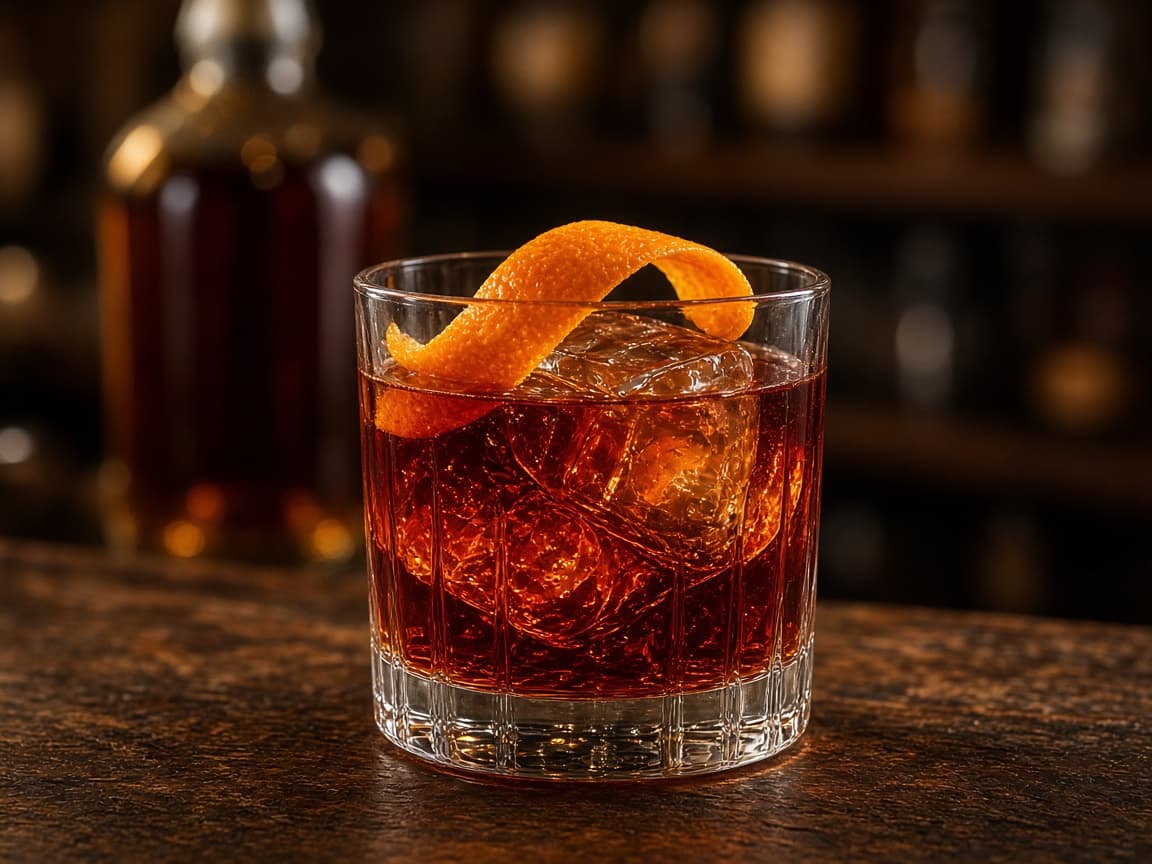
The Boulevardier is the Negroni’s whiskey-facing cousin: same equal-parts logic, different backbone. Where gin keeps the drink bright and botanical, bourbon or rye adds oak, grain, and warmth that sit differently against Campari’s bitterness.
DrinkKnird’s researched baseline uses equal parts whiskey, Campari, and sweet red vermouth—clear enough to mix from memory, and close enough to the Negroni template that you can taste what the spirit swap changes. Stir until cold; serve on a large cube or up. Orange peel oils finish the aroma the same way they do on a Negroni.
If you want the gin original next, see the [Classic Negroni](/negroni). For Negroni history, see [origins of the Negroni](/origins-of-the-negroni).
- Spirit
- bourbon
- Glass
- rocks glass or coupe
- Garnish
- orange twist
- Alcohol
- alcoholic
Recipe
Drink recipe
Yield: 1 cocktail
Ingredients
- 1 ounce (30 ml) bourbon or rye whiskey
- 1 ounce (30 ml) Campari
- 1 ounce (30 ml) sweet red vermouth
- Orange twist, for garnish
- Ice for stirring (and serving, if on the rocks)
Instructions
- Chill a rocks glass or coupe. For rocks service, add one large ice cube.
- Combine whiskey, Campari, and sweet vermouth in a mixing glass with ice.
- Stir until very cold—about 20–30 seconds—so dilution softens the whiskey heat without washing out Campari.
- Strain into the prepared glass.
- Express orange oils over the drink, garnish, and serve.
Make-ahead
- Batch equal parts whiskey, Campari, and sweet vermouth; refrigerate. Stir with ice to order.
Notes
- Bourbon reads sweeter and rounder; rye pushes spice and a drier finish—both work at equal parts.
- Campari still defines the bitter line; other aperitivos make a different drink.
- Keep vermouth refrigerated; oxidized vermouth dulls the whiskey more obviously than it dulls gin.
- Common mistake: building too whiskey-heavy without saying so. A spirit-forward house Boulevardier is fine—just label the ratio if you leave equal parts.
- Batching: bottle equal parts cold; stir each pour with ice.
Why this recipe works
Equal parts preserve the Negroni’s bitter-sweet architecture while letting whiskey’s grain and oak replace gin’s botanicals—a coherent researched baseline rather than an invented “best” ratio.
Recipe sources & development
Researched formulation
A whiskey Negroni cousin developed from published cocktail practice that treats gin→whiskey as the defining swap while keeping Campari and sweet vermouth in balance.
Why this formulation: Equal parts keep the structure legible so the whiskey swap is the main variable against Campari bitterness and vermouth sweetness.
Other approaches: Some recipes raise the whiskey above equal parts for a drier drink; others prefer rye for spice. This page uses equal parts as the clearest researched baseline.
Developed from published sources; not yet kitchen-tested by DrinkKnird.
- Negroni — IBA Official Cocktail — International Bartenders Association · researched 2026-10-12
Equal-parts (30 ml each) gin/Campari/sweet vermouth template that the Boulevardier mirrors with whiskey
- IBA Cocktails — International Bartenders Association · researched 2026-10-12
Official IBA cocktail index for the Negroni family context used in this researched formulation
Related recipes
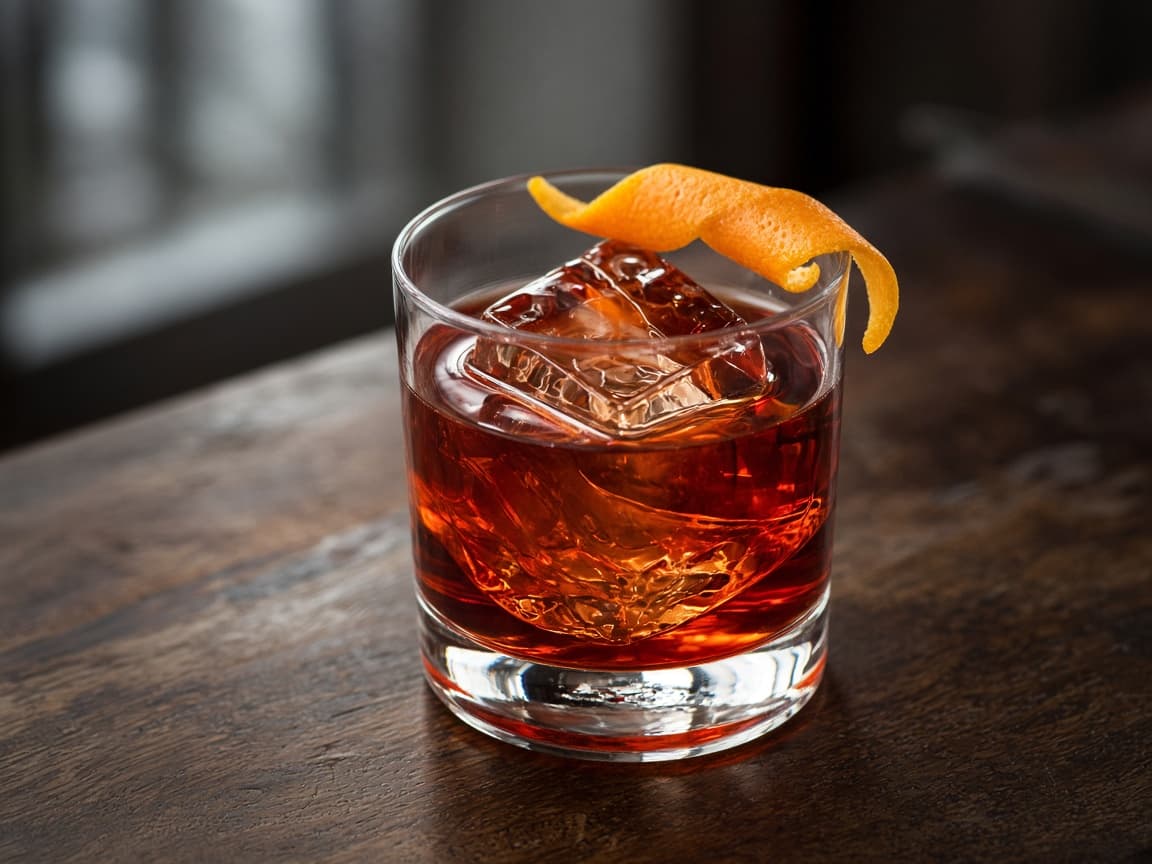
Researched
Classic Negroni
IBA-aligned Negroni: 1 oz each gin, Campari, and sweet vermouth—stirred, orange garnish, with technique notes and source attribution.
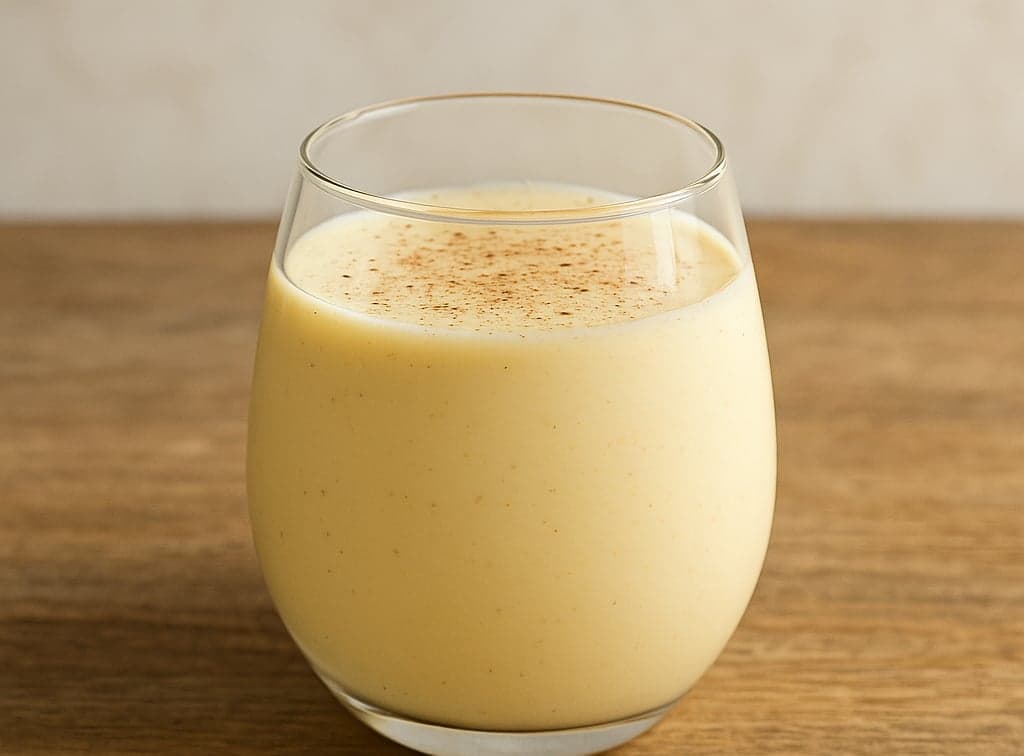
Drink Recipes
Classic Homemade Eggnog
Homemade eggnog with a cooked custard base (about 160–165°F)—rich, spiced, and easy to scale for a small gathering.
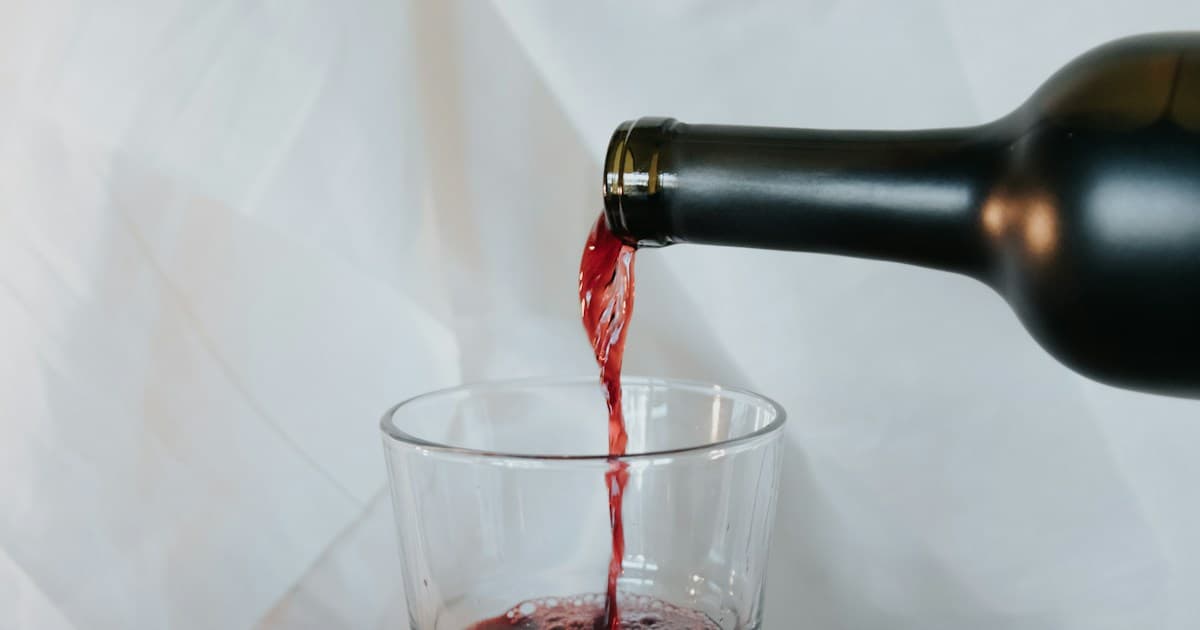
Drink Recipes
The Art of Homemade Wine: From Simple Grape Juice to Complex Fermentation
Discover the art and science of homemade wine with this complete beginner-to-advanced guide designed for curious home winemakers.
Drink Recipes
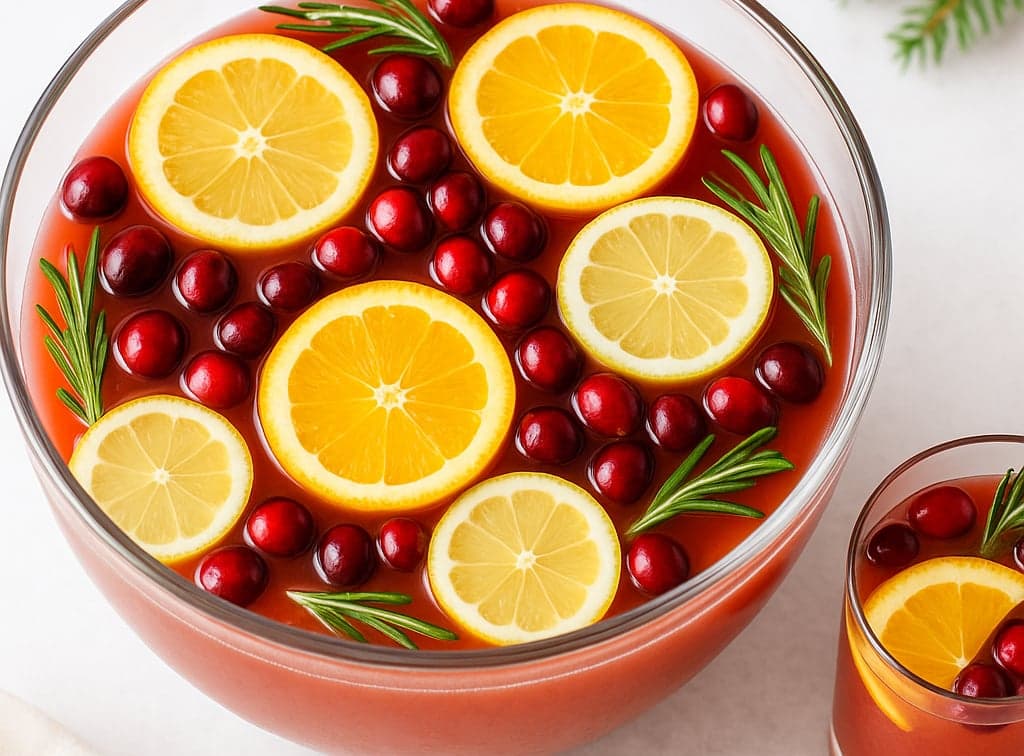
Winter Cranberry Citrus Punch
This bright and refreshing Winter Cranberry Citrus Punch breaks away from traditional eggnogs and mulled wines with a lively balance of tart cranberry, fresh…
Questions about this recipe? Use the contact form. Follow along on Instagram.