
Kitchen Basics
Safe cooking temperatures
Understanding and applying safe cooking temperatures is essential for home cooks to prevent foodborne illnesses. This article explains USDA FSIS guidelines for minimum internal temperatures for various meats and leftovers, how to use a food thermometer correctly, and integrates FDA safe food handling practices to ensure meals are both safe and delicious.
DrinkKnird editorial · September 14, 2026 · 3 min read
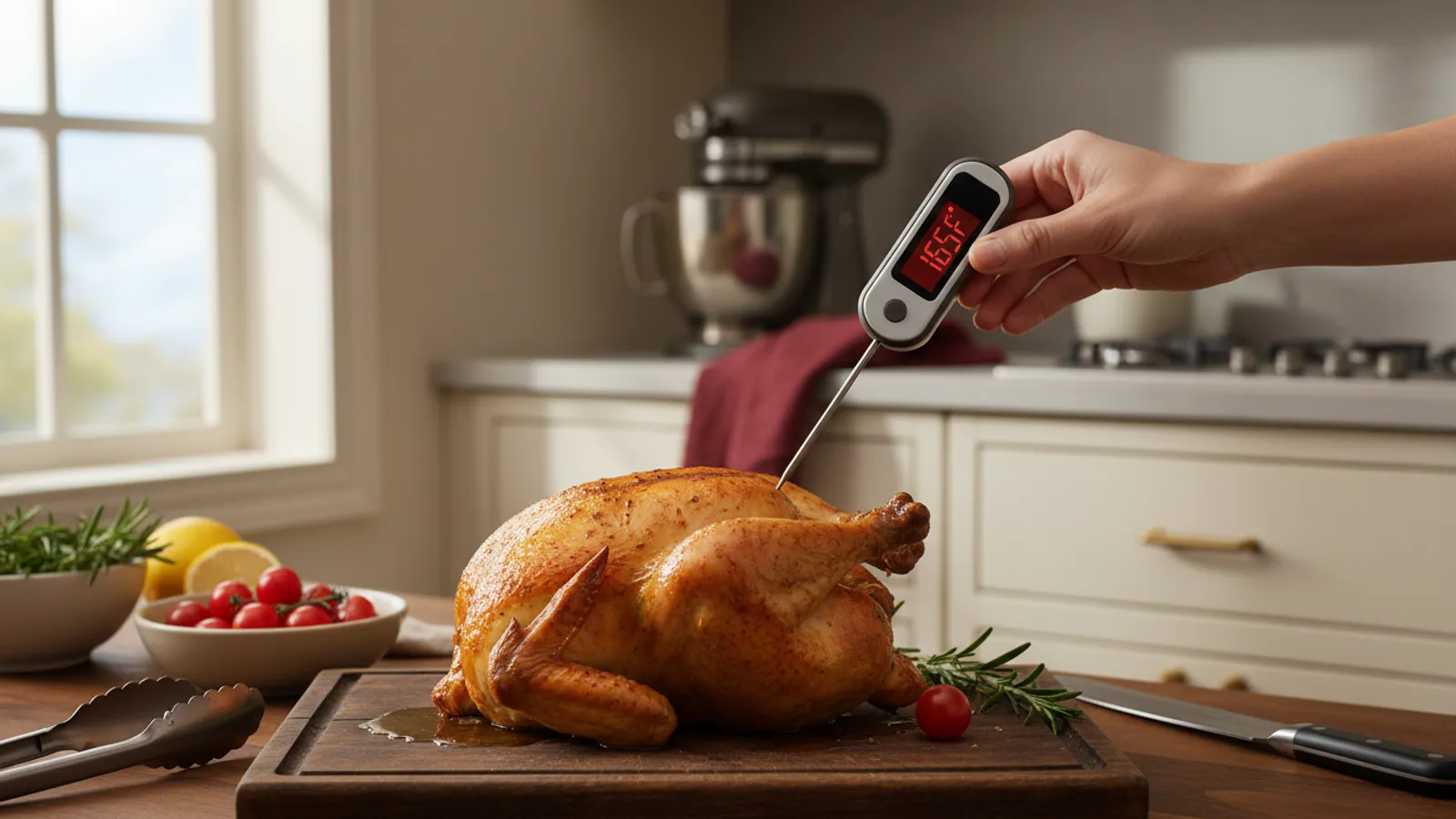
Cooking food to the correct internal temperature is one of the most important steps a home cook can take to ensure food safety. Harmful bacteria and pathogens such as Salmonella, E. coli, and Listeria can be present in raw or undercooked foods and cause serious foodborne illnesses. Relying on visual cues like color or texture is not reliable because some pathogens survive even when meat appears cooked. For instance, ground meats may turn brown before reaching a safe temperature, and poultry juices can look clear even if the meat is undercooked. Therefore, measuring the internal temperature with a food thermometer is the most accurate and dependable method to confirm that food has reached a temperature sufficient to destroy harmful microorganisms.
The U.S. Department of Agriculture’s Food Safety and Inspection Service (USDA FSIS) publishes safe minimum internal cooking temperatures for different types of meat, poultry, seafood, and leftovers. These guidelines are based on scientific research and are designed to balance food safety with maintaining food quality and taste. Following these temperature recommendations helps prevent foodborne illnesses, especially for vulnerable groups such as children, the elderly, pregnant women, and people with weakened immune systems.
According to USDA FSIS, poultry—including whole birds and ground poultry—should be cooked to an internal temperature of 165°F (74°C). This temperature ensures that harmful bacteria commonly found in poultry are effectively destroyed. Ground meats other than poultry, such as ground beef, pork, lamb, and veal, require a minimum internal temperature of 160°F (71°C). Because grinding meat increases the surface area exposed to bacteria, ground meats must be cooked to a higher temperature than whole cuts to ensure safety.
Whole cuts of beef, pork, lamb, and veal should be cooked to at least 145°F (63°C) followed by a rest time of at least three minutes. The rest period is crucial because it allows the temperature to remain constant or continue rising, which helps eliminate any remaining pathogens. This rest time also helps juices redistribute within the meat, improving flavor and tenderness.
Leftovers and casseroles should be reheated to 165°F (74°C) to ensure that any bacteria that may have grown during storage are killed. This temperature guideline applies broadly to various cooked dishes that are stored and reheated.
To accurately apply these guidelines at home, USDA FSIS strongly recommends using a food thermometer. A thermometer provides a precise reading of the internal temperature, helping home cooks avoid undercooking or overcooking. For the most accurate measurement, the thermometer should be inserted into the thickest part of the food, avoiding bone, fat, or gristle, which can give misleading readings. For example, when checking a whole chicken, insert the thermometer into the thickest part of the thigh without touching the bone. It is important to wait for the thermometer reading to stabilize before recording the temperature to ensure accuracy.
Digital instant-read thermometers are popular among home cooks because they provide quick and accurate readings. Dial thermometers are also widely used and can be left in the food during cooking for continuous monitoring, which is especially helpful for larger cuts or roasts. After each use, thermometers should be thoroughly cleaned and sanitized to prevent cross-contamination between raw and cooked foods.
In addition to cooking to safe internal temperatures, the U.S. Food and Drug Administration (FDA) emphasizes a comprehensive approach to safe food handling in the home kitchen. Their guidance covers four key practices: cook, chill, clean, and separate. Cooking to a safe internal temperature is one of these core steps, but it works best when combined with proper chilling of leftovers, cleaning hands and surfaces frequently, and separating raw foods from ready-to-eat foods to avoid cross-contamination.
By integrating USDA FSIS temperature guidelines with FDA’s broader safe food handling practices, home cooks can significantly reduce the risk of foodborne illness. Using a food thermometer to verify doneness rather than relying on appearance alone gives confidence that meals are safe to eat without sacrificing flavor or texture. This approach is especially valuable when preparing poultry, ground meats, casseroles, and leftovers, where visual cues can be misleading.
For more detailed information on maintaining a safe and sanitary kitchen environment, see the Complete Kitchen Sanitation Guide for the Home Cook. To explore recipes that benefit from precise cooking techniques and safe temperature control, consider trying Avgolemono (Greek Chicken Rice Egg Lemon Soup) or Adalina Prime-Inspired Mac & Cheese (with tteok-bokki rice cakes).
Keep reading
Kitchen Basics
The Ultimate Guide to Salt Usage: Mastering the Art of Flavoring Your Dishes
Salt in Cooking: Types, Uses, Timing, and How to Season Properly Salt is one of the most essential ingredients in cooking, playing a critical role in flavor enhancement, texture, moisture control, and food preservation. More than just sodium chloride, salt amplifies sweetness, reduces bitterness, enhances umami, and helps balance acidity in both savory and sweet dishes. Proper salting can transform bland food into vibrant, restaurant-quality meals. Different types of salt—such as table salt, kosher salt, sea salt, and Himalayan pink salt—vary in grain size, density, and application. Kosher salt is preferred by many cooks for even seasoning, while flaky sea salt is ideal for finishing dishes. Understanding these differences prevents over- or under-salting and improves consistency in recipes. Salt also plays a key role in cooking science. It improves browning through the Maillard reaction, strengthens gluten in baking, enhances fermentation, and draws moisture through osmosis in brining and curing. Knowing when to add salt—during boiling, marinating, cooking, or finishing—directly impacts flavor penetration and final taste. Accurate salt measurement matters, especially when switching between salt types. Season gradually, taste often, and balance salt with herbs, spices, acidity, and sweetness for complete flavor development. Avoid common mistakes like oversalting early or failing to season cooking water. Mastering salt usage is a foundational cooking skill that elevates every dish and unlocks deeper flavor control in the kitchen.
Kitchen Basics
Complete Kitchen Sanitation Guide for the Home Cook
Learn how to properly sanitize your kitchen with food-safe bleach solutions, vinegar cleaners, hydrogen peroxide, and heat-based methods. This guide covers safe dilution ratios, how to disinfect cutting boards and knives, cross-contamination prevention, and essential safety warnings about mixing household cleaners. Keep a spotless, restaurant-level kitchen with proven sanitation techniques and step-by-step instructions.
Kitchen Basics
Essential Kitchen Tools for a Rewarding Home Cooking Experience
Discover the fulfilling art of home cooking and how essential kitchen appliances like stand mixers, food processors, and blenders can enhance your culinary experience. Learn to organize your kitchen for efficiency and creativity, making meal preparation a rewarding journey for you and your family.