
Food & Drink History
What Jalisco birria is
Learn about Jalisco birria, a flavorful Mexican stew with origins in goat meat and dried chile paste, its essential consomé broth, regional variations, and how
By DrinkKnird · October 27, 2026 · Updated October 28, 2026 · 3 min read
In this section: Food & Drink History · Food & drink history
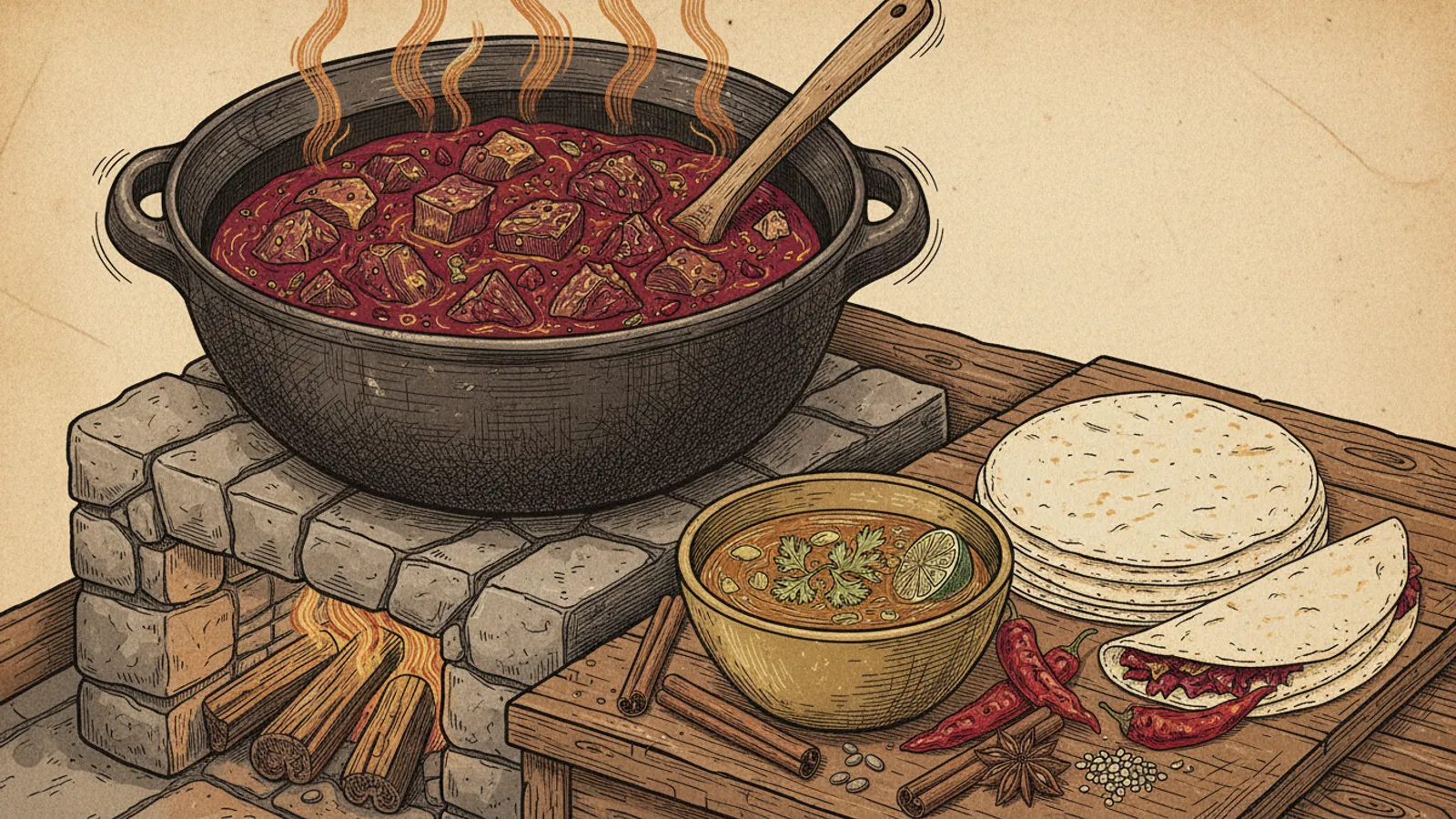
Birria is a traditional stew that originates from the Mexican state of Jalisco, particularly associated with the Guadalajara region. At its core, birria was historically prepared using goat meat, which was coated in a dried chile paste before being slow-cooked until tender. This method imparts a deep, complex flavor to the meat and produces a rich cooking broth known as consomé. The consomé is an essential part of the dish, typically served alongside the meat to be used for dunking or spooning over the birria, enhancing both moisture and flavor.
Serious Eats highlights the importance of the dried chile paste in birria’s preparation. The paste is traditionally made by rehydrating and blending dried chiles such as guajillo and ancho with spices and aromatics. This paste not only flavors the meat but also contributes to the stew’s signature color and depth. For home cooks, this means investing time in preparing a well-balanced chile paste, ensuring the chiles are properly toasted or soaked to maximize flavor without bitterness. Avoid using fresh chiles or pre-made sauces that lack the complexity of dried chile blends, as this will alter the authentic taste of birria.
While goat meat is the traditional choice, birria has evolved regionally to include variations using beef, pork, turkey, and other meats. Serious Eats notes that the debate over whether birria must be made exclusively with goat is unsettled, reflecting the dish’s adaptability. For home cooks, this flexibility means you can select meats based on availability and preference. Beef, especially cuts like chuck roast or short ribs, can replicate the tender, rich qualities of goat when slow-cooked properly. However, it is important to maintain the slow simmering process in the chile paste broth to develop the characteristic flavors and tender texture.
The consomé, or cooking broth, is more than a byproduct; it is integral to the birria experience. It is customary to serve the consomé alongside the meat for dipping or spooning, which adds moisture and intensifies the dish’s savory notes. When preparing birria at home, reserve the cooking liquid carefully and strain it to remove solids before serving. This broth can also be seasoned further with salt or lime juice to balance its richness. Avoid discarding the consomé or diluting it excessively, as it carries much of the stew’s essence.
Jalisco’s culinary identity plays a significant role in birria’s character. Encyclopaedia Britannica frames Mexican cuisine as a collection of regional foodways rather than a single national dish, emphasizing local specialties that later spread beyond their origins. Birria exemplifies this, rooted deeply in Jalisco’s agricultural products and cooking traditions. The dish reflects the region’s preference for hearty, flavorful meals made from locally sourced ingredients. Understanding this regional context helps home cooks appreciate birria not just as a recipe, but as a cultural expression.
For those interested in exploring birria beyond the stew, the meat can be shredded and served in tacos, often accompanied by consomé for dipping. This presentation has gained popularity and is a delicious way to enjoy the dish’s flavors in a handheld format. Recipes such as DrinkKnird’s Birria de Res & Quesabirria Tacos provide step-by-step guidance for recreating these iconic tacos at home.
Additionally, birria’s chile paste and consomé pair well with homemade salsas like Salsa Roja (Spicy Red Tomatillo & Chile de Árbol Salsa), which complement and enhance the stew’s complex flavors. Home cooks should experiment with these accompaniments to balance heat, acidity, and freshness.
In summary, Jalisco birria is a rich, flavorful stew with origins in goat meat and dried chile paste, accompanied by the essential consomé broth. Its evolution to include various meats reflects the dynamic nature of regional Mexican cuisine. By understanding the traditional preparation methods, the significance of the consomé, and the regional context, home cooks can successfully recreate birria and appreciate its cultural heritage. For broader insight into Mexican regional dishes and their histories, readers may explore the History of food and beverage feature.
Sources
Selected references used for this guide. Prefer primary and government sources where available.
- Birria de Res (Beef Birria) — seriouseats.com
- Mexican cuisine — britannica.com
- Generalidades - Gobierno de Jalisco — web.archive.org
Cook or mix this
Food Recipes
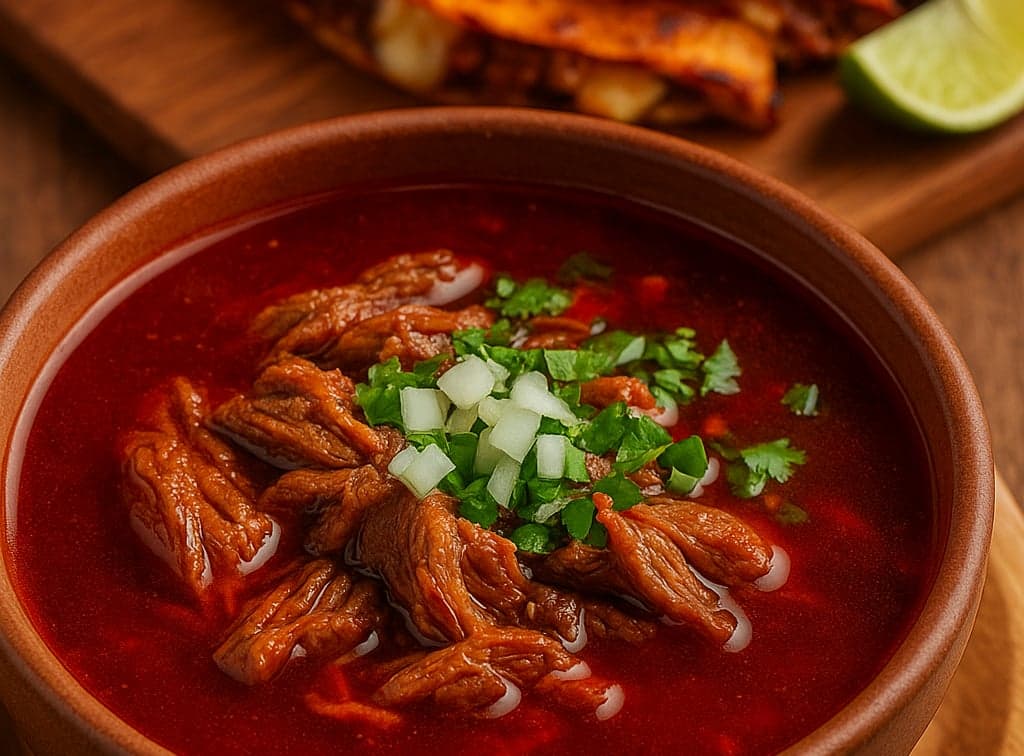
Birria de Res & Quesabirria Tacos
Slow-simmered Birria de Res with rich chile consommé, plus crispy quesabirria tacos—Jalisco-style comfort for bowls or a taco night.
Food Recipes
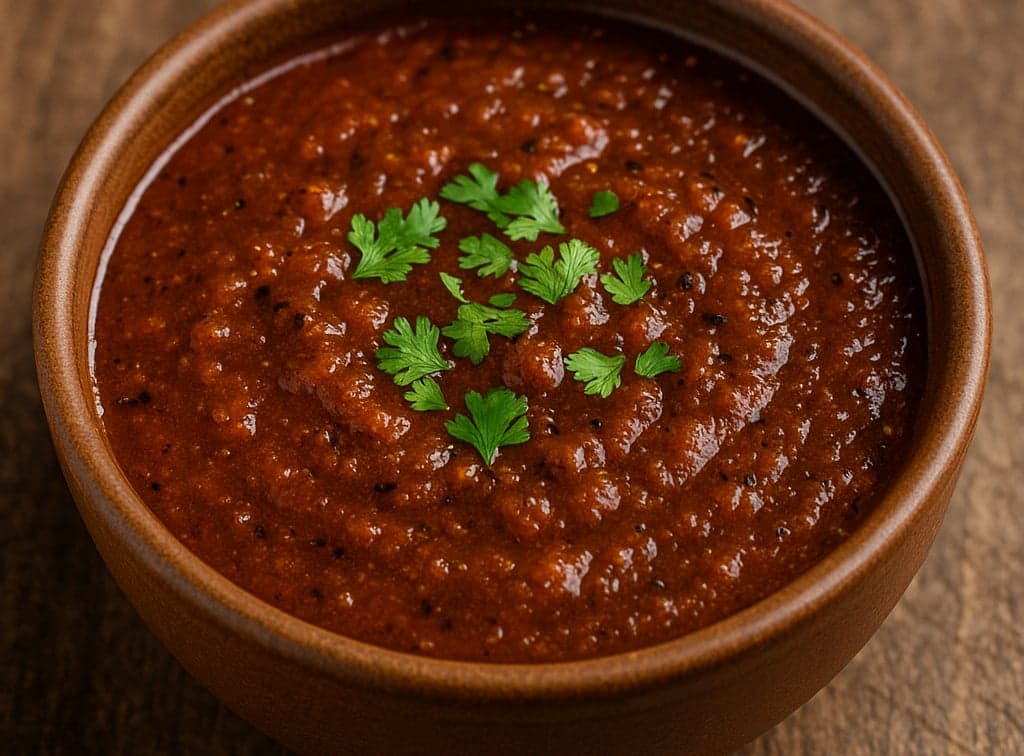
Salsa Roja (Spicy Red Tomatillo & Chile de Árbol Salsa)
This fiery Salsa Roja, inspired by Guga Foods’ signature smoky style, captures the essence of authentic Mexican flavor.
Researched
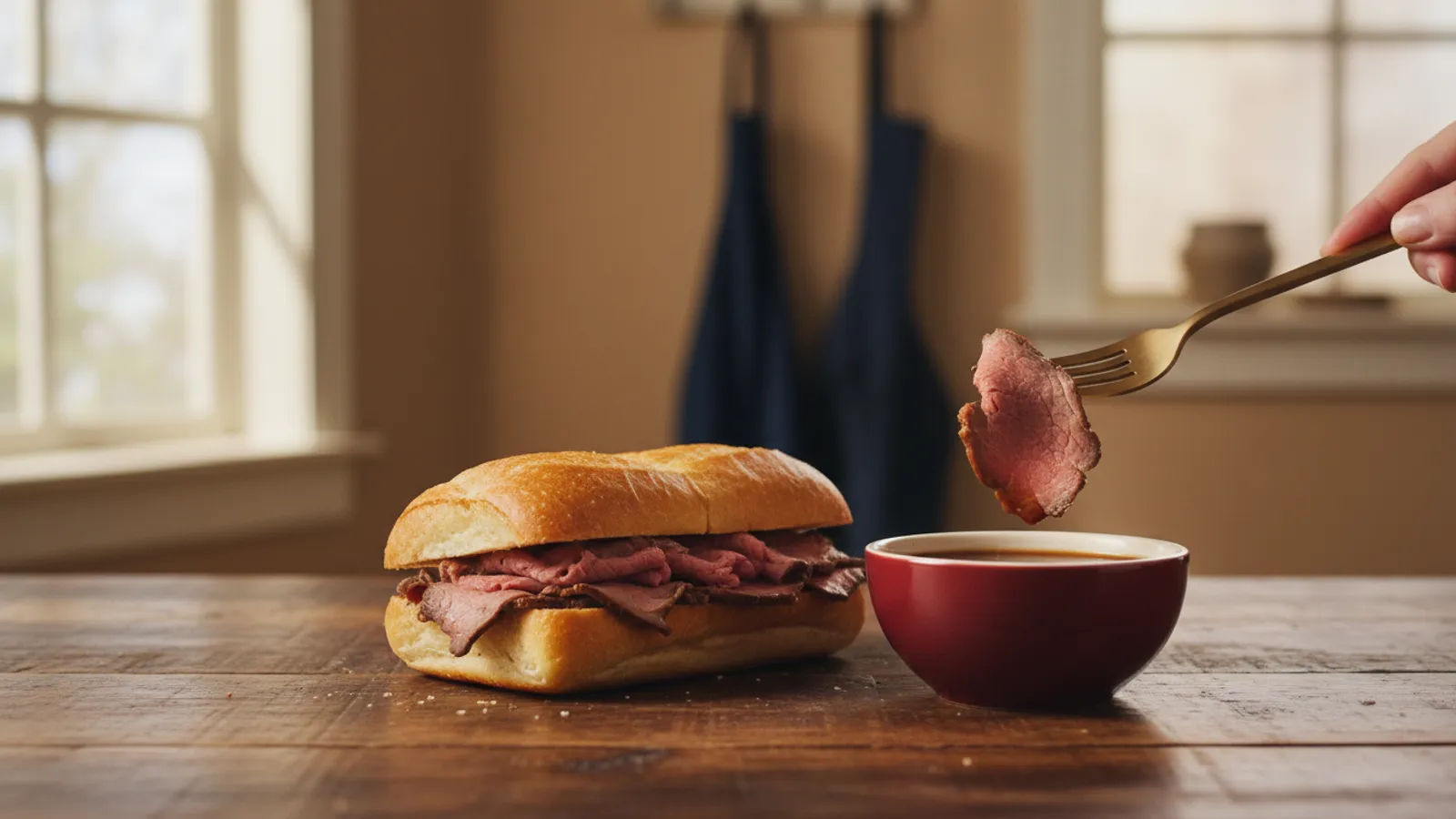
Restaurant-inspired French dip sandwich
Home roast-beef French dip sandwich with jus from drippings and beef stock, served on toasted rolls. A restaurant-inspired home adaptation.
Keep reading
Food & Drink History
Philippe the Original and the French dip
Explore the disputed origins of the French dip sandwich in Los Angeles and what Philippe the Original and Cole's actually serve.
Food & Drink History
The Buena Vista Cafe and San Francisco Irish coffee
Explore the history and distinctive style of the Buena Vista Cafe's Irish coffee in San Francisco, its regional context, and how to make it at home.
Food & Drink History
The History of Chicago Italian Beef
Discover the documented history and origins of Chicago's Italian beef sandwich, its ties to the city's culture, and what remains disputed.