
History
The Origin of the Cocktail: How Mixed Drinks Became Cocktails and Why the Record Is Incomplete
Exploring the evolution of mixed drinks into what we now call cocktails reveals a history marked by experimentation, cultural exchange, and incomplete records. The margarita serves as a case study of this complex origin story.
DrinkKnird editorial · September 13, 2026 · 3 min read
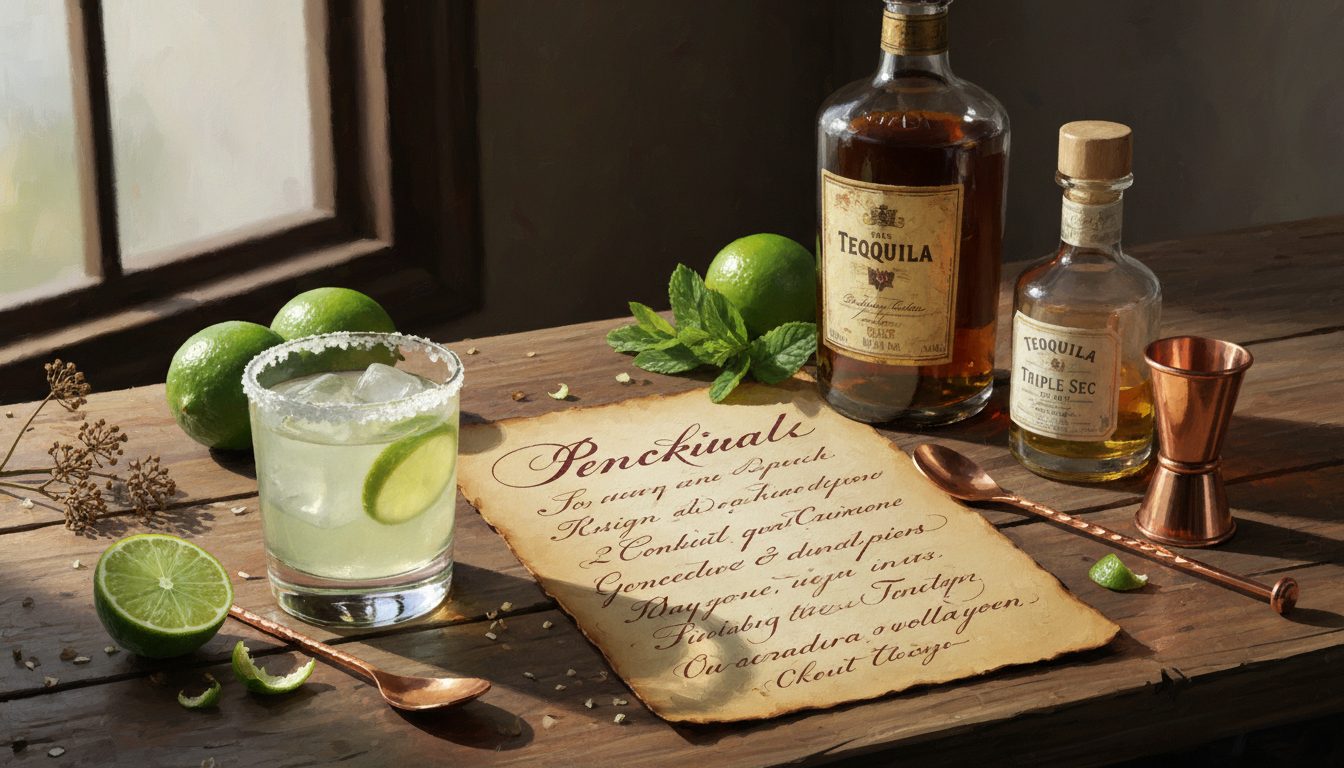
The cocktail, as a concept, represents a fascinating evolution in the history of beverages. It is a term that today conjures images of carefully balanced drinks combining spirits, liqueurs, citrus, and other flavorings. However, the journey from simple mixed drinks to the cocktail as we know it is marked by a patchwork of stories, incomplete documentation, and cultural blending.
The term cocktail itself has been used in various ways over the centuries, but its modern association with a mixed alcoholic drink is relatively recent. Early mixed drinks were often simple combinations of spirits and other ingredients, sometimes medicinal or utilitarian in nature. Over time, bartenders and enthusiasts began experimenting with proportions, ingredients, and presentation, gradually refining these mixtures into more sophisticated concoctions.
One of the challenges in tracing the history of cocktails is the scarcity and inconsistency of early records. Many recipes and stories were passed down orally or appeared in obscure publications, making it difficult to pinpoint exact origins. This is especially true for drinks that emerged in border regions or cultural crossroads, where influences from different traditions merged.
The margarita exemplifies this complexity. It is one of the most popular cocktails in the United States and the most popular tequila-based cocktail, yet its precise origin remains uncertain. The margarita is traditionally made with tequila, triple sec (an orange-flavored liqueur), and lime juice, sometimes sweetened with simple syrup. It is served in a distinctive glass often rimmed with salt or Tajín, enhancing its balance of sweet, salty, sour, and bitter flavors.
Cocktail historian David Wondrich connects the margarita to the brandy daisy, a family of cocktails that combine a base spirit, liqueur, and citrus. The word margarita is Spanish for daisy, suggesting a lineage of drinks that evolved by substituting tequila for brandy. This lineage includes other daisy cocktails like the sidecar and the gin daisy, which share similar structures.
Historical accounts add layers to the margarita's story. For example, a 1936 report by Iowa newspaper editor James Graham describes a cocktail resembling the margarita found in Tijuana, predating many popular origin myths. Additionally, the 1937 UK publication, the Cafe Royal Cocktail Book, includes a recipe called the Picador that uses the same proportions of tequila, triple sec, and lime juice as a margarita.
One popular narrative credits Carlos Danny Herrera, who allegedly created the margarita around 1938 at Rancho La Gloria near Tijuana. According to this story, Herrera crafted the drink for Marjorie King, an aspiring actress allergic to all hard alcohol except tequila, aiming to make the spirit more palatable. While compelling, this account is one of several competing origin stories, none conclusively verified.
The incomplete record of cocktail origins reflects broader themes in culinary and beverage history. Many recipes and traditions evolve informally, shaped by local tastes, available ingredients, and social contexts. The cocktail's rise coincided with cultural exchanges across borders, the growth of bars and social drinking, and innovations in glassware and presentation.
Understanding the cocktail's history also invites appreciation for the artistry involved in balancing flavors and textures. The margarita's interplay of sweet, sour, salty, and bitter elements exemplifies this craft. For those interested in exploring related beverage traditions, resources like Classic Homemade Eggnog and Winter Cranberry Citrus Punch offer insights into seasonal and festive drinks.
The story of the cocktail is ongoing, shaped by new creations and reinterpretations. Its origins may remain partly mysterious, but the legacy of innovation and enjoyment continues to inspire drinkers and makers alike.
For those curious about broader beverage crafting, exploring the Art of Homemade Wine reveals another dimension of fermentation and flavor development, complementing the world of cocktails.
In sum, the cocktail's origin is a mosaic of influences, experimentation, and cultural stories. The margarita, with its uncertain but rich history, stands as a testament to the dynamic and evolving nature of mixed drinks.
Keep reading
History
The Art of Winter Food Storage: A Historical Journey
Food preservation has shaped human survival for thousands of years, evolving from necessity into a blend of tradition, science, and modern technology. Early civilizations developed essential preservation methods—drying, salting, fermenting, smoking, and freezing—to survive harsh winters and seasonal shortages. These ancient techniques formed the foundation of global culinary cultures, with regional variations influenced by climate: Arctic communities froze and smoked fish, African regions relied on drying and fermentation, and European societies mastered pickling and later canning. Throughout the Middle Ages and Renaissance, innovations like ice houses and early airtight storage expanded food security, while global trade spread new preservation strategies. The Industrial Revolution transformed food storage with refrigeration, pasteurization, and mass-produced canned goods, making preserved foods widely accessible. Today, sustainability concerns have revived traditional methods such as fermentation, canning, and root cellaring, helping reduce food waste and strengthen local food systems. Looking ahead, modern technologies—smart refrigerators, freeze-drying, vacuum sealing, high-pressure processing, and renewable-powered storage—are shaping the future of food preservation. Together, these historical and contemporary practices reveal how human ingenuity has continually adapted to protect, store, and extend the life of food.
History
Thanksgiving Through the Ages: A True Tale of Traditions and Transformations
Thanksgiving traces back to 1621, when Pilgrims in Plymouth shared a harvest feast with the Wampanoag tribe. This early celebration honored gratitude, survival, and cooperation between two cultures learning to thrive together. The first Thanksgiving meal looked much different than today’s tables. It featured wild turkey, duck, and venison, along with fish, shellfish, corn, beans, and squash—foods native to the region and essential for sustaining early settlers. As centuries passed, Thanksgiving traditions evolved alongside farming practices, cultural influences, and expanding communities. Wild game gradually gave way to farm-raised turkey, and once-simple vegetable dishes grew into the wide variety we recognize today—green beans, sweet potatoes, Brussels sprouts, and more. Seasonings also expanded from local herbs like sage and thyme to global flavors such as cinnamon, nutmeg, paprika, and ginger. Modern Thanksgiving meals reflect America’s diversity. Families blend heritage and tradition, introducing dishes such as tamales, pierogi, lasagna, or plant-based proteins, showcasing the holiday’s inclusive spirit. While menus continue to change, the core meaning of Thanksgiving endures: gathering together, expressing gratitude, and honoring shared history. Each table tells a story—one rooted in the past yet evolving with every generation.
History
The Influence of British Food on World Cuisine: From Humble Beginnings to Fine Dining Excellence
Explore the fascinating evolution of British cuisine, from its humble prehistoric roots to the refined gastronomy that defines the United Kingdom today. This post traces how Roman, medieval, and colonial influences shaped British food, introducing key ingredients like spices, potatoes, and tomatoes that transformed the national palate. Learn how global trade and the British Empire revolutionized everyday meals, leading to comfort food classics like fish and chips, shepherd’s pie, and the full English breakfast. Discover how the Industrial Revolution, fine dining pioneers like Heston Blumenthal, and modern culinary innovators have elevated British cooking onto the world stage. From traditional roasts to Michelin-star artistry, British cuisine reflects centuries of adaptation, cultural exchange, and innovation — a story of flavor that continues to evolve.